
TL;DR
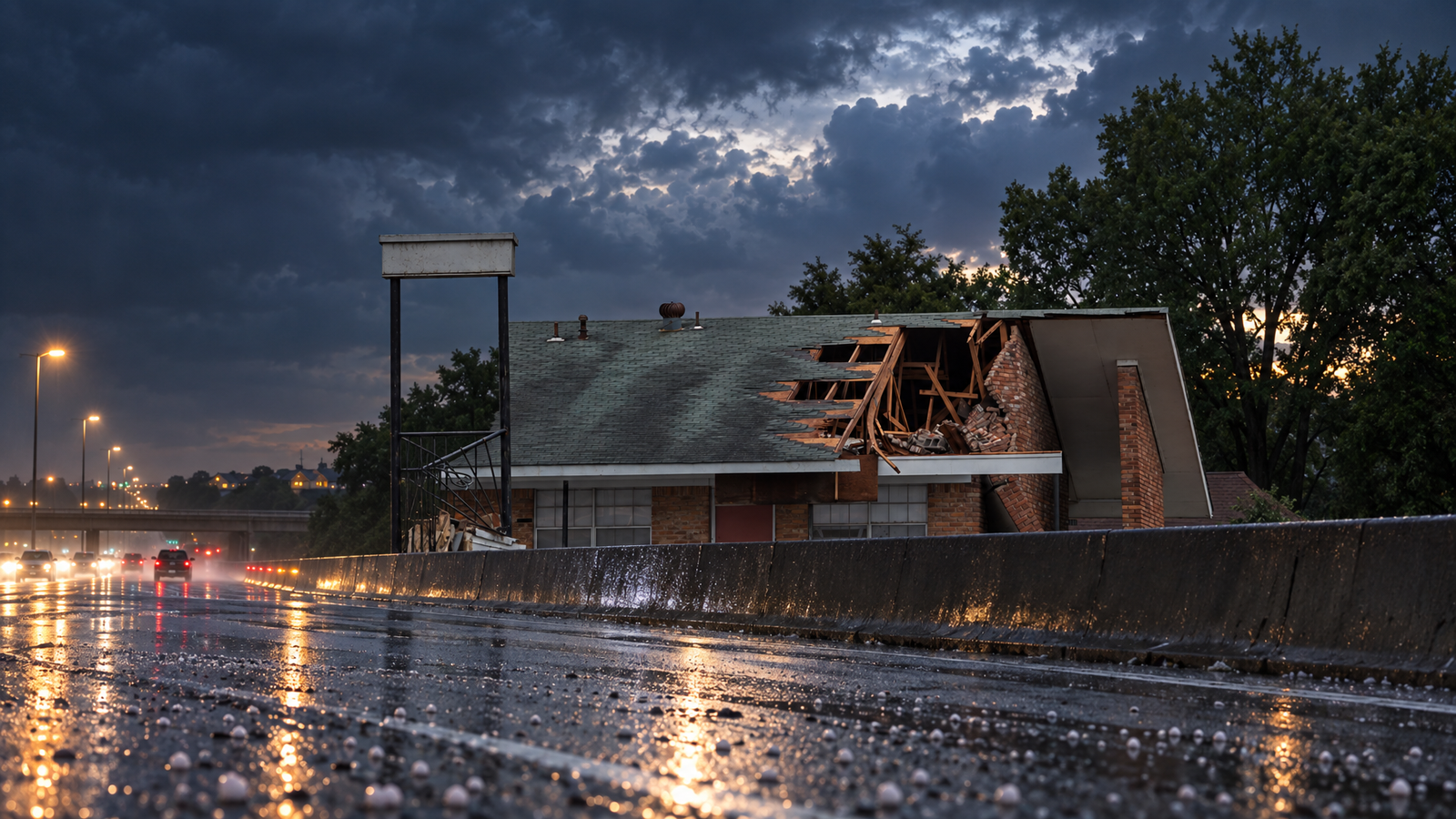
- Handling a San Antonio hail storm claim starts with documentation. On the night of Friday, September 11, 2026, NWS Austin/San Antonio warned of a severe thunderstorm over central and eastern Bexar County, including areas along and near I-10 such as Converse, Kirby, China Grove, Lone Oak, and St. Hedwig.
- Trained spotters reported hail up to about 1.5 inches between Converse and Kirby; the warning also flagged up to ~60 mph gusts and expected damage to roofs, siding, vehicles, and trees.
- CPS Energy outages peaked above 8,000 customers Friday night, with the heaviest concentration around Kirby and Converse.
- For property owners: document damage, make only temporary repairs, file promptly, and compare contractor bids to the adjuster scope. Appraisal addresses the amount of loss (scope, method, quantities, pricing), not coverage fights.
Table of contents
- What happened Friday night along I-10
- Where reports concentrated
- What hail this size can do to a property
- What to do next on a Texas hail claim
- Roof coverage basics many owners miss
- When the carrier estimate and contractor estimate disagree
- When insurance appraisal fits (and when it does not)
- What to send before a claim review
- Sources
What happened Friday night along I-10
Late Friday, September 11, 2026, the National Weather Service in Austin/San Antonio issued a Severe Thunderstorm Warning for central Bexar County, in effect into the 11:15 p.m. CDT window. The product described a storm near Kirby / Converse, moving southwest around 15 mph, with hazards listed as about 60 mph wind gusts and half-dollar-size hail (radar-indicated in the warning text). Impact language in the warning called out expected hail damage to vehicles and wind damage to roofs, siding, and trees. Impacted place names in the product included San Antonio, Schertz, Cibolo, Converse, Universal City, Live Oak, Kirby, Alamo Heights, China Grove, St. Hedwig, and nearby communities. (NWS warning text via Forth)
Live coverage and local reporting also tied the core of the storm to the I-10 corridor on the east side, with hail concern described along I-10 in eastern Bexar County and storm track notes from Converse toward Lone Oak, then west/southwest toward Kirby and China Grove. (FOX San Antonio live coverage notes)
By about 10:55 p.m., the San Antonio Express-News weather desk reported that NWS had canceled the warning early after the storm weakened. The same report stated that trained storm spotters had reported hail up to 1.5 inches in diameter between Converse and Kirby just before 10:30 p.m. CPS Energy’s outage map showed more than 1,900 customers without power at that snapshot. (San Antonio Express-News)
KENS 5 separately reported that CPS logged more than 8,000 people without power Friday night, with roughly 4,600 of those outages around Kirby and Converse, dropping under 2,000 by about 11 p.m. (KENS 5)
Local video and viewer photos from the east side (including Converse) circulated the same night and the next morning. (KENS 5 hail video)
Bottom line for claim files: this was a documented severe storm over eastern Bexar with spotter-confirmed large hail, damaging-wind potential, and concentrated outages near the I-10 / Converse–Kirby corridor. Date, time window, and location matter when you open a claim and when you later explain loss chronology.
An area storm report does not prove that a particular property was damaged. Property-specific conclusions still require inspection and documentation, the same standard used in our San Antonio straight-line wind damage guide.
Where reports concentrated
From NWS and local reporting, the densest public signals clustered here:
| Area | Why it shows up in reports |
|---|---|
| Converse / Kirby | Spotter hail up to ~1.5″; heavy outage pocket; east-side video |
| China Grove / Lone Oak / St. Hedwig | Inside warning polygon; storm motion notes |
| I-10 eastern Bexar corridor | Live TV and spotter traffic referenced hail risk along I-10 |
| Broader east/central metro | Warning included downtown SA, Alamo Heights, Schertz, Cibolo, Live Oak, Universal City, and more |
If you live just outside those labels, still inspect. Hail swaths are narrow. A neighbor two streets over can take a different hit.
What hail this size can do to a property
NWS impact language for this event already listed roofs, siding, trees, and vehicles. At golf-ball / ~1.5-inch scale, common property items that show up in Texas hail files include:
- Composition shingles: bruises, granule loss, fractured mats, lifted tabs
- Metal roofs and flashings: dents, seam stress, fastener issues
- Soft metals: gutters, downspouts, vents, HVAC fins and tops
- Openings: skylights, windows, screens
- Exterior finishes: vinyl/fiber-cement hits, fascia, painted wood
- Vehicles and detached structures: body dents, glass, fence and shed skin
Not every mark is storm-created, and not every mark requires full replacement. Age, prior storms, and maintenance still matter. Your job after this storm is a clean record of condition now, not a debate with the first person who knocks on the door.
What to do next on a Texas hail claim
The Texas Department of Insurance (TDI) tells homeowners and vehicle owners to file as soon as you can when hail or wind damages a home or car, if the policy includes the right coverages (wind/hail on the home side; typically comprehensive on the auto side).
1. Make the property safe, then document
TDI’s post-storm checklist is plain:
- Photograph and video interior and exterior damage.
- List damaged items.
- Do not throw items away until the insurer says you can.
- Make temporary repairs only: remove standing water, cover openings, limit further water entry.
- Save receipts for temporary work. Permanent repairs before the adjuster sees the loss create avoidable fights. (TDI: Help after a storm; TDI: After hail or windstorms)
2. Report the claim and keep a contact log
Call the agent or company. Note names, dates, claim number, and what you were told. Ask about advance payments if you need funds quickly, and ask about additional living expenses if the home is not livable because of covered damage. Keep ALE receipts. (TDI recovery tips)
TDI Help Line (company lookup and claim questions): 800-252-3439.
3. Be present for the inspection when you can
Point out every elevation, soft metal, accessory, and interior stain. Adjusters work many files after a metro hail event. Your photos and a walk-through reduce missed line items.
4. Get multiple repair bids and compare them to the carrier scope
TDI recommends more than one bid, then comparing bids to the adjuster’s report before you settle. (TDI)
5. Watch contractor and deductible issues
Under Texas rules highlighted by TDI:
- It is illegal for a contractor or roofer to waive a homeowners deductible or promise a rebate of that deductible.
- Carriers may ask for proof you paid the deductible (receipt or canceled check).
- Do not pay everything up front; do not sign blank contracts; check references. (TDI hail tips; TDI recovery tips)
6. Separate home damage from vehicle damage
Auto hail usually runs through comprehensive coverage and a different deductible structure than the home policy. Photograph vehicles the same night if you can; hail dents are easy to miss in poor light.
Roof coverage basics many owners miss
TDI’s roof guidance matters before you assume “new roof paid in full”:
- Replacement cost vs actual cash value (ACV): ACV can pay less on an older roof. Some carriers shift roof terms as roofs age. Read the declarations and endorsements. (TDI: Insurance and your roof)
- Wind/hail deductible: Some policies use a different (often percentage) deductible for wind and hail than for other perils. Ask your agent what applies to this loss. (TDI)
- Wear vs storm: Carriers do not owe a new roof only because the roof is old. The claim turns on storm-related damage and the policy’s valuation method. (TDI)
- Payment timing on replacement cost: TDI notes replacement-cost claims often pay in stages (initial payment, then the balance after repairs progress). (TDI)
Policy language controls. Campbell Adjusting does not decide coverage. We evaluate disputed amount of loss once the file is in that posture.
When the carrier estimate and contractor estimate disagree
After San Antonio hail events, estimate gaps usually land in a few buckets:
- Scope: full roof vs partial slopes; include or exclude soft metals, screens, HVAC, fencing
- Repair method: overlay vs tear-off; matching; code items the estimate omits
- Quantities: squares, ridge, starter, waste factors, story charges
- Line-item selection in Xactimate (or similar): wrong assembly, missing labor minimums, outdated price list assumptions
- Pricing: local labor/material reality vs the carrier unit costs on the day of the estimate
A clean dispute file shows side-by-side differences, photos tied to elevations, and measurements, not slogans. If you work with a public adjuster or contractor, keep their estimate, the carrier estimate, and the denial or partial-pay letter in one packet.
For a plain explanation of how appraisal treats scope, method, quantities, and pricing, without turning the process into a lawsuit, see Campbell Adjusting’s overview of insurance appraisal services in Texas.
When insurance appraisal fits (and when it does not)
Many Texas property policies include an appraisal clause for disagreements over the amount of loss. In short:
- Each side names an appraiser.
- The appraisers try to agree on the dollar amount tied to the disputed damages.
- If they do not agree, an umpire can break the deadlock on the amount issues presented.
Appraisal is built for how much it costs to address the disputed loss items, not for every coverage argument, bad-faith theory, or liability dispute. Campbell Adjusting’s work stays inside that lane: inspection findings, photos, measurements, estimates, and claim documents that support an amount-of-loss position. We do not promise claim outcomes or settlements.
Appraisal may be worth discussing when:
- Coverage for the storm event is not the live fight (or coverage issues are already framed separately)
- A real gap remains on scope, method, quantities, or price
- Both sides have estimates or positions in writing
- The policy’s appraisal conditions and timelines still allow the process
Appraisal is the wrong tool when:
- The only issue is “is this excluded?” with no amount dispute
- The file still lacks basic documentation (no photos, no estimates, no claim number)
- Someone wants a guaranteed replacement roof or a guaranteed dollar figure up front
Texas courts and practitioners have long treated hail and wind files as common appraisal candidates when the fight is the size of the loss, not pure coverage theater. Policy wording and case posture still control each claim.
If you want a file-level read on whether the dispute looks appraisal-ready, start with a claim review request.
What to send before a claim review
Whether you are a property owner, contractor, public adjuster, or carrier desk, a useful packet is short:
- Carrier estimate (and any supplements or denial letters)
- Contractor or independent estimate
- Damage photos (elevations, close-ups, interiors, soft metals, HVAC)
- Claim status (open/closed, payments to date, appraisal demand status if any)
- Date of loss tied to this storm: September 11, 2026, eastern Bexar / I-10 corridor if that matches your address history
Campbell Adjusting LLC serves San Antonio along with Houston, Austin, DFW, Waco, and Bryan/College Station. We handle appraisal, umpire, Xactimate estimate review, and documentation review for residential and commercial property losses. The standard is the same on every file: fact-based scope and pricing work, no scare tactics, no promised outcomes.
San Antonio and eastern Bexar owners and contractors: if Friday’s hail left a live gap between what was damaged and what was written, put the four items above in one email and request a review. We will tell you plainly whether the file looks ready for more discussion, or what is still missing.
Sources
- NWS Austin/San Antonio Severe Thunderstorm Warning text (Sept. 11, 2026, ~10:10 p.m. CDT)
- San Antonio Express-News: Friday night thunderstorm, hail, outages
- KENS 5: CPS outages amid Friday night storms
- KENS 5: Hail video, east side / Converse
- TDI: Hail damage to your home or car
- TDI: Help after a storm
- TDI: Insurance and your roof
Important information
A National Weather Service warning or local storm report confirms reported or radar-indicated conditions in an area; it does not establish that a particular property was damaged, that damage was caused by that event, or that an insurance policy covers a loss. Property-specific conclusions require inspection and documentation. This article is general information about a documented weather event and common Texas claim steps. It is not legal advice, not a coverage determination, and not a promise of any claim result. Campbell Adjusting LLC does not provide legal advice, make coverage decisions, act as a public adjuster, or guarantee payment or any particular result. Always read your policy and speak with your insurer or qualified advisors about your specific loss.
Leave a Reply